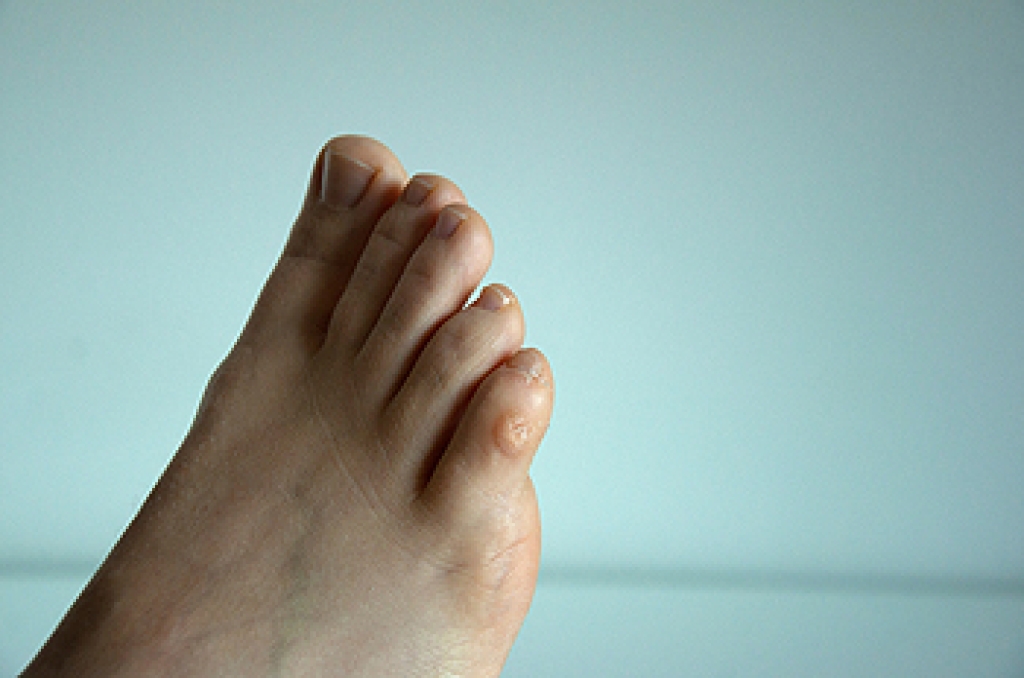
Facts About Corns on the Feet

Corns on the feet are hard thickened dots of skin caused by pressure and friction. Corns are small dots of toughened skin, with a tiny hard kernel inside of them. They are commonly found on the toes, largely as the result of wearing shoes that do not fit correctly. The toe rubs against the side or top of the shoe and a corn begins to form. Deformities, such as bunions and hammertoes, can contribute to the formation of a corn. Wearing high heels that compress the toes and cause extreme pressure may also be a factor. Corns will not go away on their own, especially if the condition that caused them is not removed. Treating a corn yourself is not recommended, as infections can develop. Seeing a podiatrist is highly suggested instead. The podiatrist can remove the hardened skin in a safe and sterile setting and prescribe custom orthotics depending on the cause of the corns.

If you have any concerns regarding your feet and ankles, contact Edward Gonzalez, DPM of Lower Extremity Care. Our doctor will treat your foot and ankle needs.

Corns: What Are They? and How Do You Get Rid of Them?
Corns can be described as areas of the skin that have thickened to the point of becoming painful or irritating. They are often layers and layers of the skin that have become dry and rough, and are normally smaller than calluses.

Ways to Prevent Corns
There are many ways to get rid of painful corns such as wearing:

  • Well-fitting socks
  • Comfortable shoes that are not tight around your foot
  • Shoes that offer support

Treating Corns
Treatment of corns involves removing the dead skin that has built up in the specific area of the foot. Consult with Our doctor to determine the best treatment option for your case of corns.

If you have any questions, please feel free to contact our office located in Miami, FL . We offer the newest diagnostic and treatment technologies for all your foot care needs.
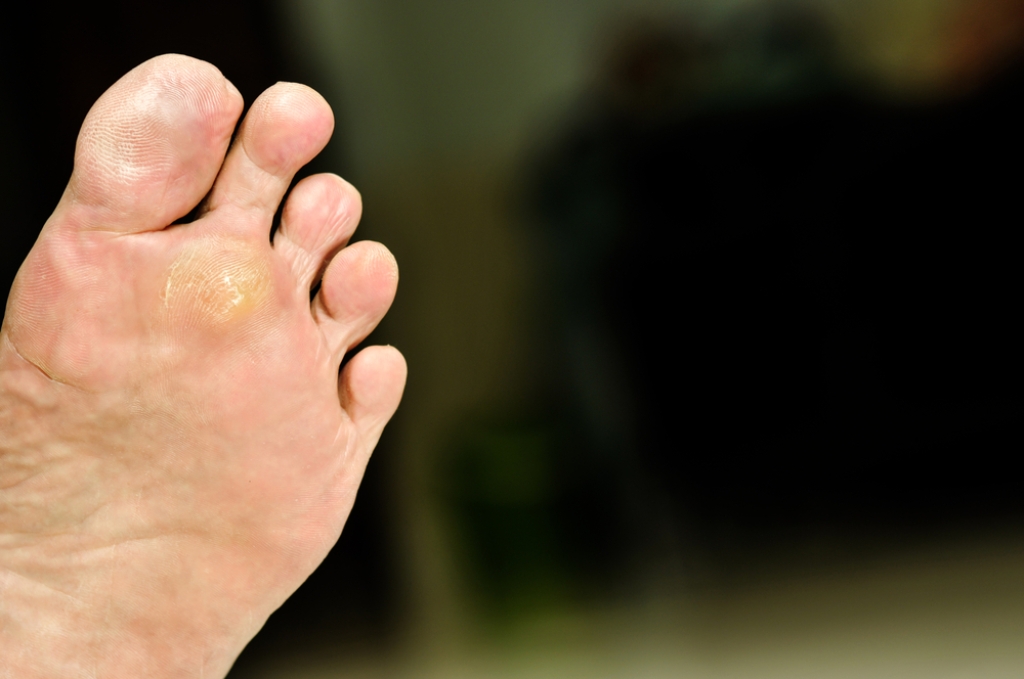

Read more about Corns: What Are They, and How Do You Get Rid of Them

Teens and Plantar Warts

A wart is a growth on the skin caused by over 100 types of the human papillomavirus (HPV). The virus causes a thickening of the top skin layer. Plantar warts occur on the soles of the feet. These can look and feel like calluses. Anyone can get warts, but children aged 12 to 16 and those who have HIV, organ transplants, or are on chemotherapy are at the highest risk for them. Warts are often acquired from a person that has the virus. While not highly contagious, the virus can enter the skin through small cuts or cracks. It is suggested that towels and other intimate objects not be shared, and shoes be worn in public places. Warts are typically harmless and painless, but plantar warts might feel tender when walked on. These warts can be small, or they can grow to cover most of the sole of the foot. They often go away on their own, but this can take up to two years. If your teen has a plantar wart that is bothersome or interferes with their normal daily activities, please consult a podiatrist for treatment options.

Plantar warts can be very uncomfortable. If you need your feet checked, contact Edward Gonzalez, DPM from Lower Extremity Care. Our doctor will assist you with all of your foot and ankle needs.

About Plantar Warts

Plantar warts are the result of HPV, or human papillomavirus, getting into open wounds on the feet. They are mostly found on the heels or balls of the feet.

While plantar warts are generally harmless, those experiencing excessive pain or those suffering from diabetes or a compromised immune system require immediate medical care. Plantar warts are easily diagnosed, usually through scraping off a bit of rough skin or by getting a biopsy.

Symptoms

  • Lesions on the bottom of your feet, usually rough and grainy
  • Hard or thick callused spots
  • Wart seeds, which are small clotted blood vessels that look like little black spots
  • Pain, discomfort, or tenderness of your feet when walking or standing

Treatment

  • Freezing
  • Electric tool removal
  • Laser Treatment
  • Topical Creams (prescription only)
  • Over-the-counter medications

To help prevent developing plantar warts, avoid walking barefoot over abrasive surfaces that can cause cuts or wounds for HPV to get into. Avoiding direct contact with other warts, as well as not picking or rubbing existing warts, can help prevent the further spread of plantar warts. However, if you think you have developed plantar warts, speak to your podiatrist. He or she can diagnose the warts on your feet and recommend the appropriate treatment options.

If you have any questions, please feel free to contact our office located in Miami, FL . We offer the newest diagnostic and treatment technologies for all your foot care needs.

Read more about All About Plantar Warts

Foot Massages and Reflexology May Yield Positive Benefits

Foot massages have many benefits and may relieve existing foot pain. Reflexology and massages are performed on the feet and can positively affect the organs in the body. There are differences between the two types of foot therapy. Foot massages can be described as more of a general term for manual techniques that are applied to the feet, and this differs from reflexology in which specific practices and theories are applied. Foot reflexology uses the pressure points on the feet that correspond to various organs in the body. This can be helpful in stimulating the central nervous system which may help to promote healing. Additionally, there may be different types of foot massages, including Swedish, Shiatsu, and Thai massages. Having any type of these massages may improve circulation, reduce muscle tension, and reduce stress and pain. If you would like more information about the benefits of these types of foot therapies, please contact a podiatrist who can answer any questions you may have.

Foot therapy is often necessary for those recovering from either foot deformities or foot injuries. If you have concerns regarding therapy, consult with Edward Gonzalez, DPM from Lower Extremity Care. Our doctor can provide the care you need to keep you pain-free and on your feet.

Most Common Injuries

People who are active or athletes are prone to a variety of injuries. Therefore, it is often important to take part in physical therapy in order to quickly get back on the right track. 

What to Do When Injured

Physical Therapy – This specialized treatment will focus on the affected area, speeding up recovery and the overall healing process. It is a proven method that has helped millions of people return from any injury.

During physical therapy you will undergo regimented training to get back into full form. Training is often very difficult, especially at first when the foot feels weak. Physical therapy often involves:

Basic stretching and twisting exercises – getting the feet’s mobility and flexibility up.

Massaging – the therapist will massage the injured area in order to activate the muscles and relax them.

Strengthening Exercises – this allows the muscles in the affected area to regain their full strength, a vital step towards full recovery.

If you have any questions, please feel free to contact our office located in Miami, FL . We offer the newest diagnostic and treatment technologies for all your foot care needs.

Read more about Foot Therapy for Sports Injuries

Various Foot Conditions May Need Surgery for Relief

There are various foot conditions that will improve with medications and orthotics. For some patients, these types of treatments are not sufficient enough to provide complete relief. Foot surgery may be an option for some foot ailments, such as bunions and hammertoe. A bunion is a bony protrusion that develops on the side of the big toe, and in severe cases, may cause the other toes to shift toward each other. Surgery is performed by cutting the bones and realigning them into their natural position. The bunion is removed by repositioning the big toe joint which can make it easier to walk. The scar is located on the side of the foot, which makes it less visible. Hammertoe is a deformity that causes the joints in the middle toes to bend downward. Surgery can be successfully performed by straightening the toes which can reduce the pressure that is put on the front of the foot. Rheumatoid arthritis may cause flat feet in adults, and surgery may be necessary to reduce or eliminate existing pain completely. If you are experiencing specific foot conditions that are not improving with medication, please consult with a podiatrist who can determine if foot surgery is a viable option for you.

Foot surgery is sometimes necessary to treat a foot ailment. To learn more, contact Edward Gonzalez, DPM of Lower Extremity Care. Our doctor will assist you with all of your foot and ankle needs.

When Is Surgery Necessary?

Foot and ankle surgery is generally reserved for cases in which less invasive, conservative procedures have failed to alleviate the problem. Some of the cases in which surgery may be necessary include:

  • Removing foot deformities like bunions and bone spurs
  • Severe arthritis that has caused bone issues
  • Cosmetic reconstruction

What Types of Surgery Are There?

The type of surgery you receive will depend on the nature of the problem you have. Some of the possible surgeries include:

  • Bunionectomy for painful bunions
  • Surgical fusion for realignment of bones
  • Neuropathy decompression surgery to treat nerve damage

Benefits of Surgery

Although surgery is usually a last resort, it can provide more complete pain relief compared to non-surgical methods and may allow you to finally resume full activity.

Surgical techniques have also become increasingly sophisticated. Techniques like endoscopic surgery allow for smaller incisions and faster recovery times.

If you have any questions, please feel free to contact our office located in Miami, FL . We offer the newest diagnostic and treatment technologies for all your foot care needs.

Read more about Foot Surgery
scroll to top