The Difference Between Ankle Sprains and Strains

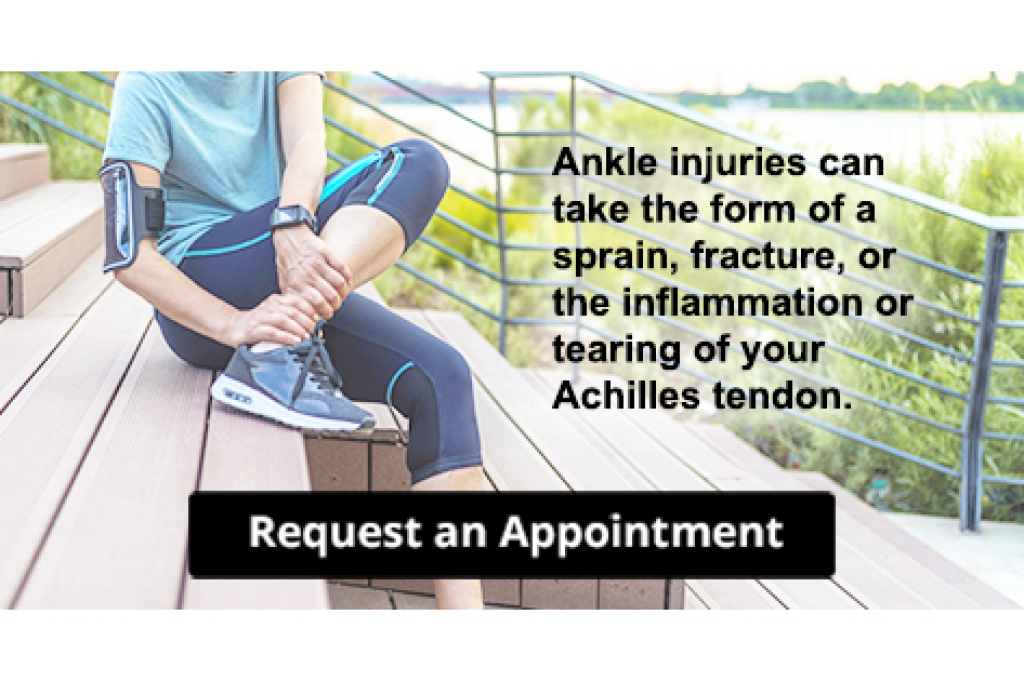
The most common ankle problems, especially among athletes and runners, are sprains and strains. The ankle joint contains a variety of muscles, ligaments, and tendons that are subject to injury. Because the ankle sustains one and a half times the body weight with each step you take, and more than eight times the body’s weight when you run or jump, it is easy to see why it may be subject to injury. A sprain occurs when a ligament in the ankle is stretched beyond its limit, while a strain occurs when either a muscle or a tendon is overstretched or torn. Strains are more likely to be the result of overuse. A sprain can also be the result of overuse, but most often is caused by trauma, such as landing wrong on the foot and causing it to twist inward. This can be because of a misstep on a curb, or by stumbling during an athletic event. Whether it’s a sprain or a strain, if you have sustained an ankle injury that impedes your daily activities or causes extreme pain, please see a podiatrist for an exam and treatment options. 

Ankle pain can be caused by a number of problems and may be potentially serious. If you have ankle pain, consult with Edward Gonzalez, DPM from Lower Extremity Care. Our doctor will assess your condition and provide you with quality foot and ankle treatment.

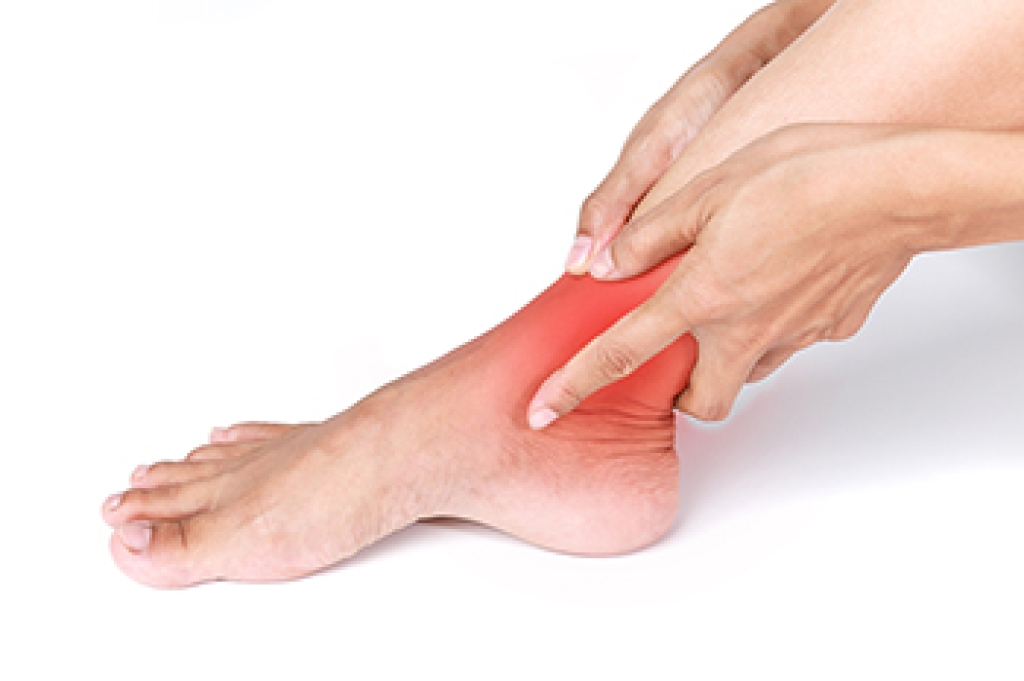
Ankle pain is any condition that causes pain in the ankle. Due to the fact that the ankle consists of tendons, muscles, bones, and ligaments, ankle pain can come from a number of different conditions.

Causes

The most common causes of ankle pain include:

  • Types of arthritis (rheumatoid, osteoarthritis, and gout)
  • Ankle sprains
  • Broken ankles
  • Achilles tendonitis
  • Achilles tendon rupture
  • Stress fractures
  • Bursitis
  • Tarsal tunnel syndrome
  • Plantar fasciitis

Symptoms

Symptoms of ankle injury vary based upon the condition. Pain may include general pain and discomfort, swelling, aching, redness, bruising, burning or stabbing sensations, and/or loss of sensation.

Diagnosis

Due to the wide variety of potential causes of ankle pain, podiatrists will utilize a number of different methods to properly diagnose ankle pain. This can include asking for personal and family medical histories and of any recent injuries. Further diagnosis may include sensation tests, a physical examination, and potentially x-rays or other imaging tests.

Treatment

Just as the range of causes varies widely, so do treatments. Some more common treatments are rest, ice packs, keeping pressure off the foot, orthotics and braces, medication for inflammation and pain, and surgery.

If you have any questions please feel free to contact our office located in Miami, FL . We offer the newest diagnostic tools and technology to treat your foot and ankle needs.
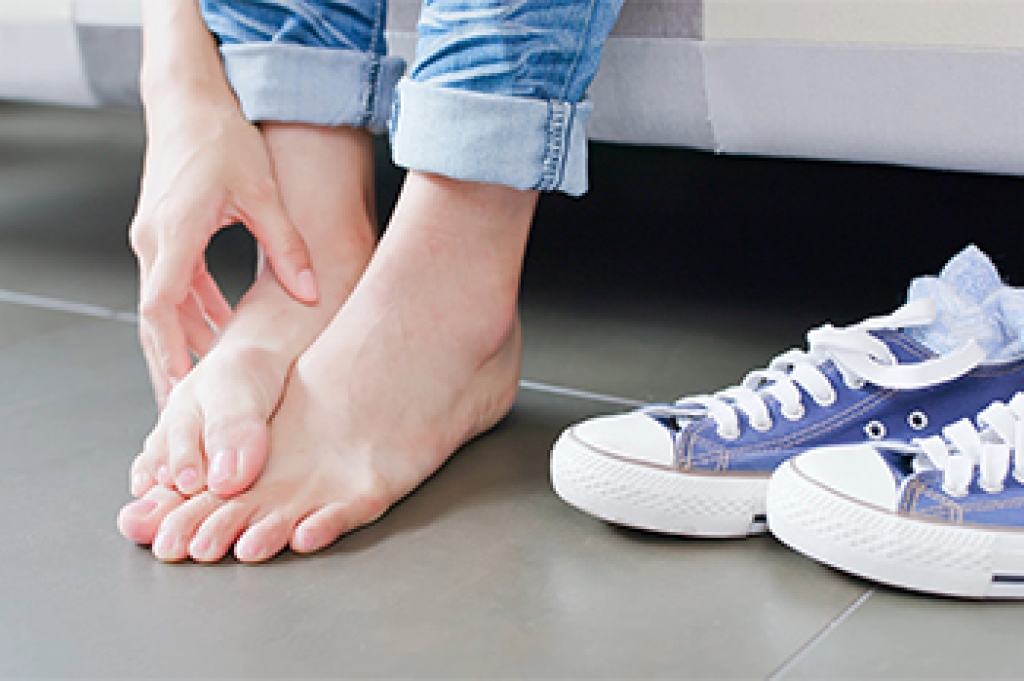
Read more about Ankle Pain

Flip-Flops and Walking Distance

Flip-flops are an incredibly popular form of summer footwear. However, despite their popularity, flip-flops have a well-documented list of potential health defects. For example, flip-flops have a notable lack of support or cushioning both in the heel and arch areas. Additionally, there is another reason why the use of flip-flops may be problematic for those who wear them. Namely, walking with flip-flops negatively impacts one’s walking style. When someone wears flip-flops, they must essentially take a more significant number of steps than they would if they had worn supportive footwear. Therefore, it takes an individual a larger number of steps to travel the same distance than someone who is wearing supportive sneakers. Although the reason for this phenomenon is not immediately clear, it may have something to do with the negative impact that flip-flops can have on your feet. If you typically wear flip-flops, consider contacting a podiatrist who can teach you more about their adverse effects as well as recommend appropriate footwear. 

Flip-flops are not always the best choice of footwear. If you have any concerns about your feet or ankles, contact Edward Gonzalez, DPM from Lower Extremity Care. Our doctor will assist you with all of your foot and ankle needs.

Flip-Flops and Feet

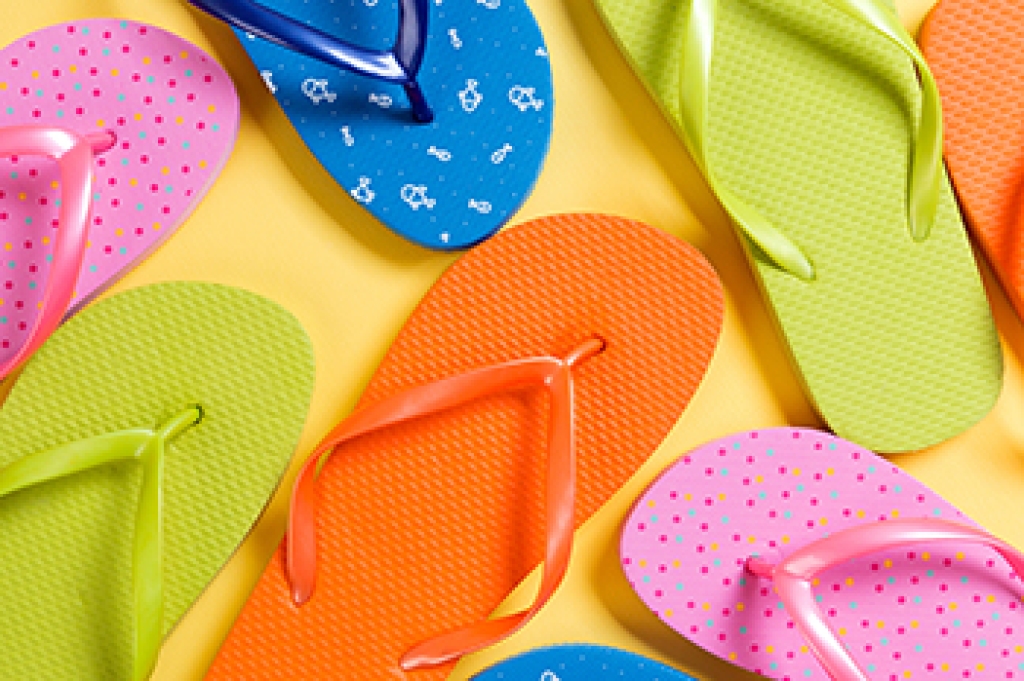
When the weather starts warming up, people enjoy wearing flip-flops.  Flip-flops are comfortable, stylish, and easy to slip on and off; they're perfect for any summer beach goer.  However, these shoes can cause harm to the feet.

How Can Flip-Flops Affect Me Long-Term?

  • Ankle problems
  • Hip problems
  • Lower back problems
  • Pain in the balls of the feet
  • Problems with foot arches
  • Changes in the way you walk

Are There Injuries Associated with Flip-Flops?

Yes.  Since flip-flops are relatively weak and do not provide the same amount of support as sneakers, people who wear flip-flops regularly are more susceptible to injuries. On top of that, the open nature of the shoe makes your feet more prone to other problems, such as cuts and even infections.  Common injuries and ailments include:

  • Sprained ankles
  • Blisters
  • Infections
  • Cuts and Scrapes

I like Wearing Flip-Flops. Are There Safe Alternatives?

When buying flip-flops, try to find ones that have sturdy soles and that are made of high-quality materials that will support for your feet.  These flip-flops will cost more but will also last longer as a result.

If you have any questions, please feel free to contact our office located in Miami, FL . We offer the newest diagnostic and treatment technologies for all your foot care needs.

Read more about Flip Flops and Feet

Three Types of Athlete’s Foot

A rash that develops on the foot may be athlete’s foot. It is an uncomfortable condition that is found between the toes and on the bottom of the foot, and severe itching is a common symptom. Additionally, the skin may turn red, and small blisters can be seen. Athlete’s foot is caused by a fungus that lives in warm environments, such as shower room floors and public swimming pools. It can enter the body through small cracks in the skin, and it is suggested to wear appropriate shoes while in these areas. These can consist of flip-flops or water shoes, and walking barefoot is frowned upon. There are three categories of athlete’s foot which can slightly differ. Peeling or cracked skin that is found between the fourth and fifth toes may indicate a toe web infection has developed. A moccasin-type infection may start with a sore foot, then followed by the skin becoming thick. Blisters that are on the sole of the foot may be the beginning of a vesicular infection and may travel to other parts of the foot. If you are afflicted with any type of athlete's foot, please consult with a podiatrist who can prescribe the necessary medication for complete healing.

Athlete’s foot is an inconvenient condition that can be easily reduced with the proper treatment. If you have any concerns about your feet and ankles, contact Edward Gonzalez, DPM from Lower Extremity Care.  Our doctor will treat your foot and ankle needs.

Athlete’s Foot: The Sole Story

Athlete's foot, also known as tinea pedis, can be an extremely contagious foot infection. It is commonly contracted in public changing areas and bathrooms, dormitory style living quarters, around locker rooms and public swimming pools, or anywhere your feet often come into contact with other people.

Solutions to Combat Athlete’s Foot

  • Hydrate your feet by using lotion
  • Exfoliate
  • Buff off nails
  • Use of anti-fungal products
  • Examine your feet and visit your doctor if any suspicious blisters or cuts develop

Athlete’s foot can cause many irritating symptoms such as dry and flaking skin, itching, and redness. Some more severe symptoms can include bleeding and cracked skin, intense itching and burning, and even pain when walking. In the worst cases, Athlete’s foot can cause blistering as well. Speak to your podiatrist for a better understanding of the different causes of Athlete’s foot, as well as help in determining which treatment options are best for you.

If you have any questions please feel free to contact our office located in Miami, FL . We offer the newest diagnostic and treatment technologies for all your foot and ankle needs.

Read more about Athlete’s Foot

Get Proper Treatment for Ankle Injuries

If you're experiencing ankle pain, you may be suffering from an ankle injury. Sprains, fractures, Achilles tendonitis, and Achilles tendon ruptures are just some examples of potential ankle injuries. Don't wait for care for an ankle injury, as it may worsen over time. We can help!

How to Safely Use Walking Aids

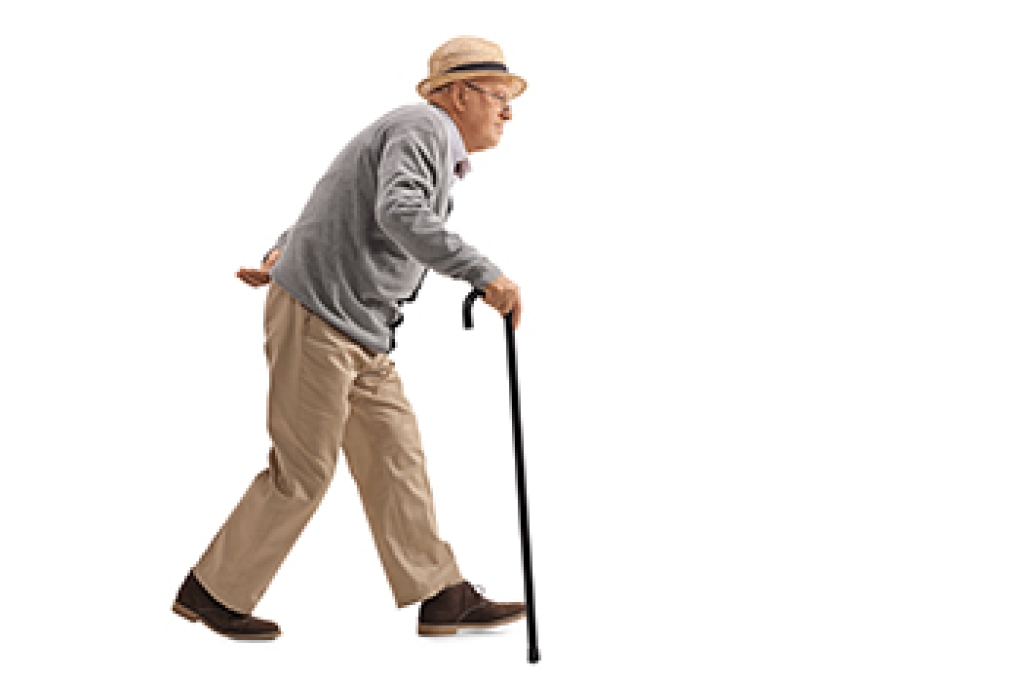
Many people need walking aids, such as canes and walkers, as a result of an injury, medical procedure, or the aging process. Proper use of a cane or walker can be essential for maintaining your balance, enhancing the healing process, and preventing re-injury. Most walking devices are adjustable, and being fitted for the height of the device is important. According to experts, the handle of the cane or walker should hit the crease in the wrist with your arms at your side. Also, the wrists should not feel twisted when using the device. If you have to put your entire weight onto the walker to take a step, it may be necessary to add extra foam cushioning on the handles. When taking a step with these devices, the cane and the weaker foot should hit the ground at the same time. Holding the cane in the opposite hand works best to achieve this balance. For more information on the proper walking aid for you, please consult a podiatrist. 

Preventing falls among the elderly is very important. If you are older and have fallen or fear that you are prone to falling, consult with Edward Gonzalez, DPM from Lower Extremity Care. Our doctor will assess your condition and provide you with quality advice and care.

Every 11 seconds, an elderly American is being treated in an emergency room for a fall related injury. Falls are the leading cause of head and hip injuries for those 65 and older. Due to decreases in strength, balance, senses, and lack of awareness, elderly persons are very susceptible to falling. Thankfully, there are a number of things older persons can do to prevent falls.

How to Prevent Falls

Some effective methods that older persons can do to prevent falls include:

  • Enrolling in strength and balance exercise program to increase balance and strength
  • Periodically having your sight and hearing checked
  • Discuss any medications you have with a doctor to see if it increases the risk of falling
  • Clearing the house of falling hazards and installing devices like grab bars and railings
  • Utilizing a walker or cane
  • Wearing shoes that provide good support and cushioning
  • Talking to family members about falling and increasing awareness

Falling can be a traumatic and embarrassing experience for elderly persons; this can make them less willing to leave the house, and less willing to talk to someone about their fears of falling. Doing such things, however, will increase the likelihood of tripping or losing one’s balance. Knowing the causes of falling and how to prevent them is the best way to mitigate the risk of serious injury.  

If you have any questions, please feel free to contact our office located in Miami, FL . We offer the newest diagnostic and treatment technologies for all your foot care needs.

Read more about Falls Prevention
scroll to top